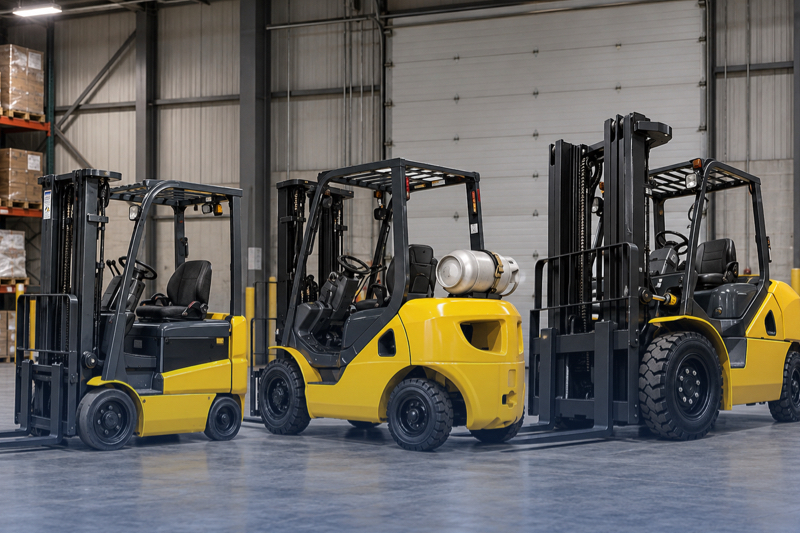
Electric, propane or diesel? Each type of forklift is suited to different needs depending on the work environment, frequency of use and operating conditions.
An electric forklift can be a strong choice for warehouse operations, while propane offers greater versatility and diesel is better suited to intensive outdoor applications.
The main differences to consider include:
1. Electric Forklifts
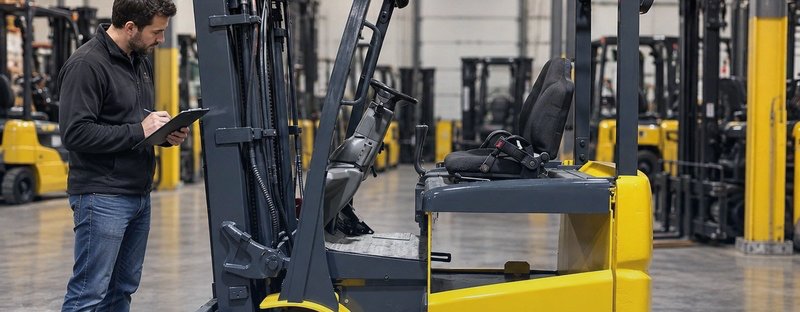
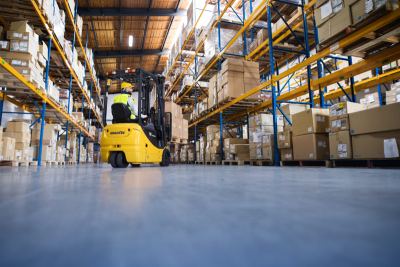
Electric forklifts are primarily suited to warehouses and indoor environments. Kirmar offers 3-wheel and 4-wheel electric models as part of its new forklift inventory.
Avantages
- No direct emissions, making them well suited to indoor operations.
- Low noise levels.
- Less mechanical maintenance.
- Generally lower energy costs over the long term.
3-wheel models also provide strong maneuverability in tight spaces and narrow warehouse aisles.
Disadvantages
- Higher initial investment, particularly because of the battery.
- Battery management and maintenance required, except with certain lithium configurations.
- Operating time must be planned according to usage and charging periods.
- Performance may be affected by very cold or humid conditions, depending on the configuration.
Electric may be the better choice if:
- Your operations take place mainly indoors.
- You are looking for quieter equipment.
- You want to reduce mechanical maintenance.
- Your work environment makes it easy to plan charging periods.
2. Propane Forklifts
Propane forklifts are a versatile option that can work well in a variety of environments.
Avantages
- Versatile operation, indoors with proper ventilation or outdoors.
- Quick propane cylinder replacement.
- Consistent power.
- Generally lower purchase cost than electric models.
Disadvantages
- Emissions, which require proper ventilation for indoor use.
- More frequent engine maintenance than with an electric forklift.
- Environmental requirements to consider depending on the application.
Kirmar offers propane forklifts with cushion tires as well as models with pneumatic tires through its forklift rental service.
Propane may be the better choice if:
- Your operations involve both indoor and outdoor work.
- You need greater versatility.
- Limiting interruptions related to the power source is important.
- Your environment is not well suited to an electric forklift.
3. Diesel Forklifts
Diesel forklifts are mainly intended for outdoor applications and more demanding work environments.
Avantages
- High torque.
- Strong performance for intensive use.
- Extended operating time.
- Durability for heavy-duty applications and challenging terrain.
Internal combustion models with pneumatic tires are particularly well suited to outdoor or uneven surfaces.
Disadvantages
- Not recommended for indoor use.
- Higher noise levels.
- More complex engine maintenance.
- Stricter environmental requirements to consider.
Kirmar also provides forklift repair and maintenance services for electric, propane and diesel forklifts.
Which Type of Forklift Should You Choose?
To help guide your decision:
- Indoor warehousing: electric.
- Mixed and versatile use: propane.
- Construction sites or intensive outdoor use: diesel.
The power source is not the only factor to consider. Lifting capacity, the loads being handled, lift height, available space and the work environment should also be part of your decision.
Rent a Forklift That Fits Your Needs
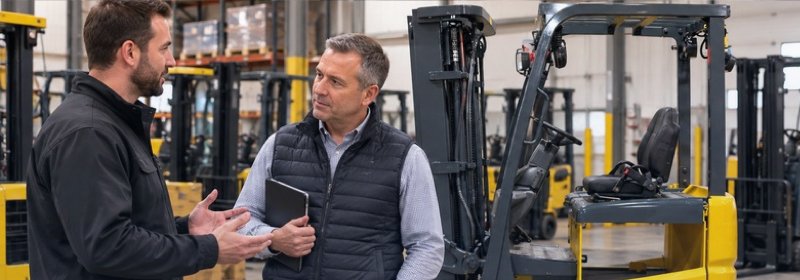
If your needs are temporary, seasonal or tied to a specific project, renting allows you to select equipment based on the application at hand.
Kirmar offers electric, propane and diesel rental forklifts with capacities ranging from 3,000 to 40,000 lb depending on the category. Rentals are available by the day, week or month.
Still deciding between electric, propane and diesel? Contact the Kirmar team to find a forklift that fits your operations.